
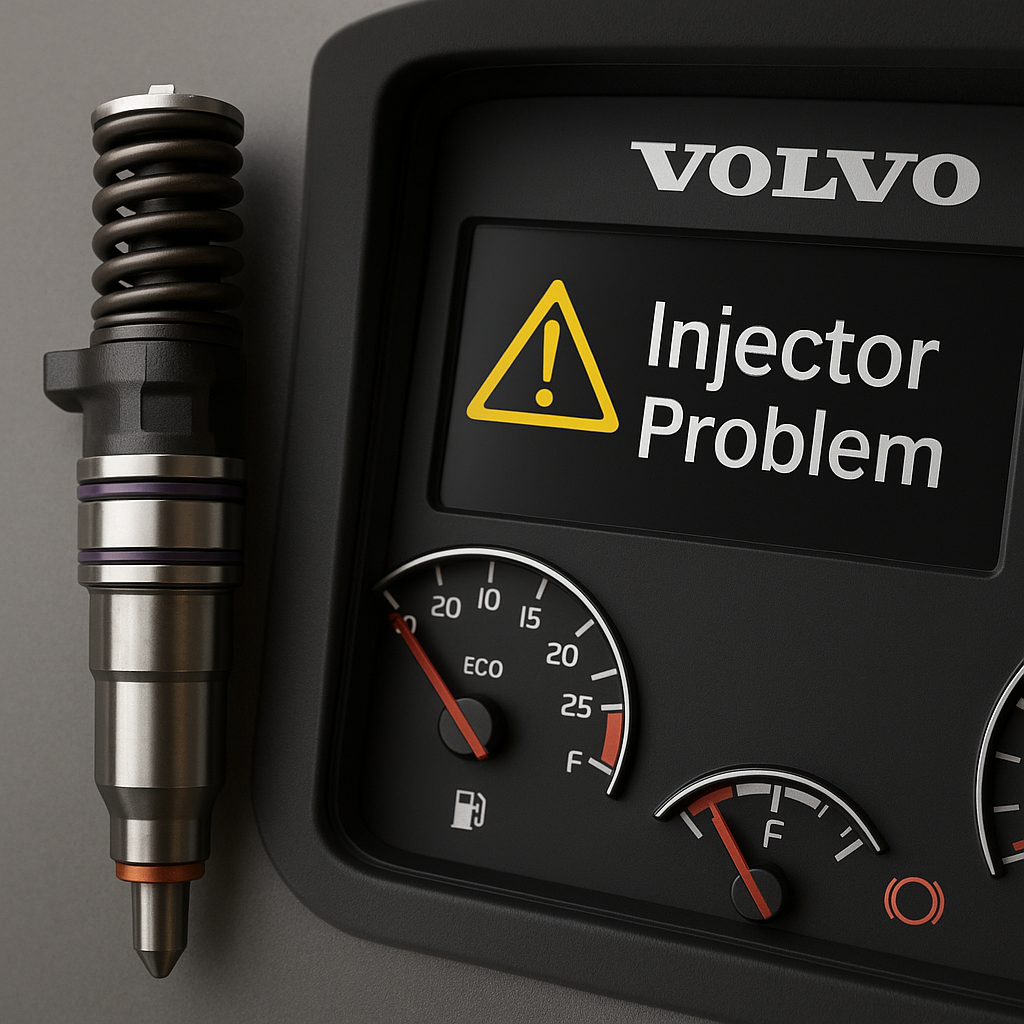
Volvo Injector Problems – Symptoms, Causes, and Repair Solutions
Introduction – Why Fuel Injectors Matter in Volvo Trucks
Fuel injectors play a critical role in the performance and reliability of Volvo heavy-duty engines like the D12, D13, and D16. Each injector is responsible for delivering a precise amount of fuel into the combustion chamber at the right time and in the correct spray pattern. When functioning properly, injectors ensure efficient combustion, strong power output, and clean emissions.
But when injectors fail, drivers experience rough idle, hard starts, excessive smoke, poor fuel economy, and even engine damage if issues are left untreated. Among Volvo truck owners, injector problems are one of the most common causes of unexpected downtime.
In this guide, we’ll explore the causes, symptoms, diagnostic steps, repair solutions, and preventative measures for Volvo injector issues. Whether you’re operating a single Volvo truck or managing a fleet, understanding injector health will help you extend engine life and avoid costly repairs.
Common Causes of Volvo Injector Problems
Fuel injectors in Volvo trucks operate under extreme conditions. Over time, wear, contamination, or system malfunctions can lead to failure. Below are the most frequent causes:
-
Poor Fuel Quality or Water Contamination
Low-grade diesel or contaminated fuel introduces particles and water into the fuel system. Even small amounts of water can corrode injectors, while debris can clog nozzles. -
Wear and Tear (High Mileage)
Volvo injectors typically last 250,000–400,000 miles depending on driving conditions. High mileage leads to nozzle erosion, reduced spray quality, and eventual failure. -
Faulty O-Rings and Seals
Injector seals can harden or fail, causing fuel leaks, oil contamination, or combustion gas blow-by. -
Clogged Injector Nozzles
Soot, carbon buildup, and poor-quality additives can clog the tiny nozzle holes, reducing fuel atomization. -
Excessive Carbon Deposits
Incomplete combustion leads to deposits around the injector tip, which worsens spray pattern and causes misfires. -
Electrical Problems
Wiring harness damage or ECU signal failure prevents injectors from firing correctly.
Symptoms of Volvo Injector Failure
Recognizing early signs of injector issues can prevent more serious engine damage. Common symptoms include:
-
Hard Starting or No Start – Poor injector spray makes starting difficult, especially in cold weather.
-
Rough Idle or Misfires – Uneven combustion causes unstable idle.
-
White Smoke from Exhaust – Indicates unburned fuel from a leaking injector.
-
Black Smoke Under Load – Points to over-fueling or poor atomization.
-
Loss of Power – Weak spray patterns reduce combustion efficiency.
-
Poor Fuel Economy – Leaking injectors waste diesel.
-
Diesel Knock (Unusual Noise) – Caused by delayed combustion.
-
Fuel Dilution in Engine Oil – A stuck injector can leak fuel into the crankcase, reducing oil viscosity.
Troubleshooting Table – Volvo Injector Problems
| Symptom | Likely Cause | Recommended Fix |
|---|
| Rough idle & misfires | Clogged nozzle | Ultrasonic cleaning or replacement |
| White smoke on startup | Leaking injector | Replace seals or injector |
| Fuel in oil sample | Injector stuck open | Replace injector immediately |
| Low power under load | Weak spray pattern | Replace faulty injector |
| Check engine light + code | Electrical fault | Test wiring & ECM signals |
Diagnosing Volvo Injector Issues – Step-by-Step
-
ECM Fault Code Reading
Use Volvo’s Premium Tech Tool (PTT) or JPRO to identify injector-related codes. -
Cylinder Balance Test
Measures contribution from each cylinder. A weak cylinder may point to a bad injector. -
Injector Leak-Down Test
Checks if injectors are sealing properly under pressure. -
Fuel Pressure & Return Flow Checks
Ensures injectors are not over-returning fuel, which indicates wear. -
Visual Inspection
Look for leaks, damaged wiring, or cracked connectors.
Repair and Replacement Options
Depending on the diagnosis, you have several repair paths:
-
Cleaning – If clogging is minor, ultrasonic cleaning may restore function.
-
Seal Replacement – Often required when fuel leaks occur around injectors.
-
Individual Injector Replacement – Cost-effective if only one unit fails.
-
Full Set Replacement – Recommended if multiple injectors are nearing end of life.
Cost of Volvo Injector Replacement
On average, Volvo injector replacement costs $400–$800 per injector, plus $500–$1,000 labor depending on accessibility. Replacing a full set on a D13 can cost $4,000–$6,000, but it restores consistent performance and prevents repeat downtime.
Preventing Volvo Injector Problems
Proactive maintenance helps extend injector life:
-
Use Clean ULSD Fuel – Always refuel from trusted sources.
-
Change Fuel Filters Regularly – Follow OEM schedules or replace sooner in dusty conditions.
-
Monitor for Contamination – Check for water and dirt in tanks.
-
Periodic Injector Testing – Include cylinder cutout tests during service.
-
Avoid Excessive Idling – Idling increases soot buildup, which contributes to nozzle clogging.
Real-World Example – Volvo D13 Injector Failure Case Study
A fleet of long-haul Volvo trucks equipped with D13 engines began experiencing frequent derates and loss of power. Diagnostic codes showed injector balance issues.
-
Cause: Three injectors had worn nozzles and were over-returning fuel.
-
Solution: Full set replacement with OEM injectors, new seals, and updated ECU calibration.
-
Result: MPG improved by 0.4, idle smoothed out, and regen frequency decreased.
This case highlights the importance of replacing injectors as a set when multiple are worn.
FAQs
Internal Links
Conclusion – Keeping Volvo Injectors Healthy
Volvo injectors are the heart of your truck’s fuel system. Problems with them can lead to expensive repairs, downtime, and even cascading failures in related systems like the turbocharger and DPF. By learning to spot symptoms early, diagnosing correctly, and investing in quality repairs, you can keep your Volvo truck running efficiently. Preventative maintenance—especially clean fuel and timely filter changes—remains the most effective way to protect injectors and maximize uptime.
Contact Information
📧 Email: info@volvokits.com
📞 Phone: 786-814-1410
🌐 Website: https://www.volvokits.com
Volvo Engine Overheating Issues – Causes, Diagnosis, and Fixes
Volvo Truck Turbocharger Failure – Symptoms, Causes, Repairs, and Prevention
